
Easter Sweet Bread (Húsvéti Kalács)
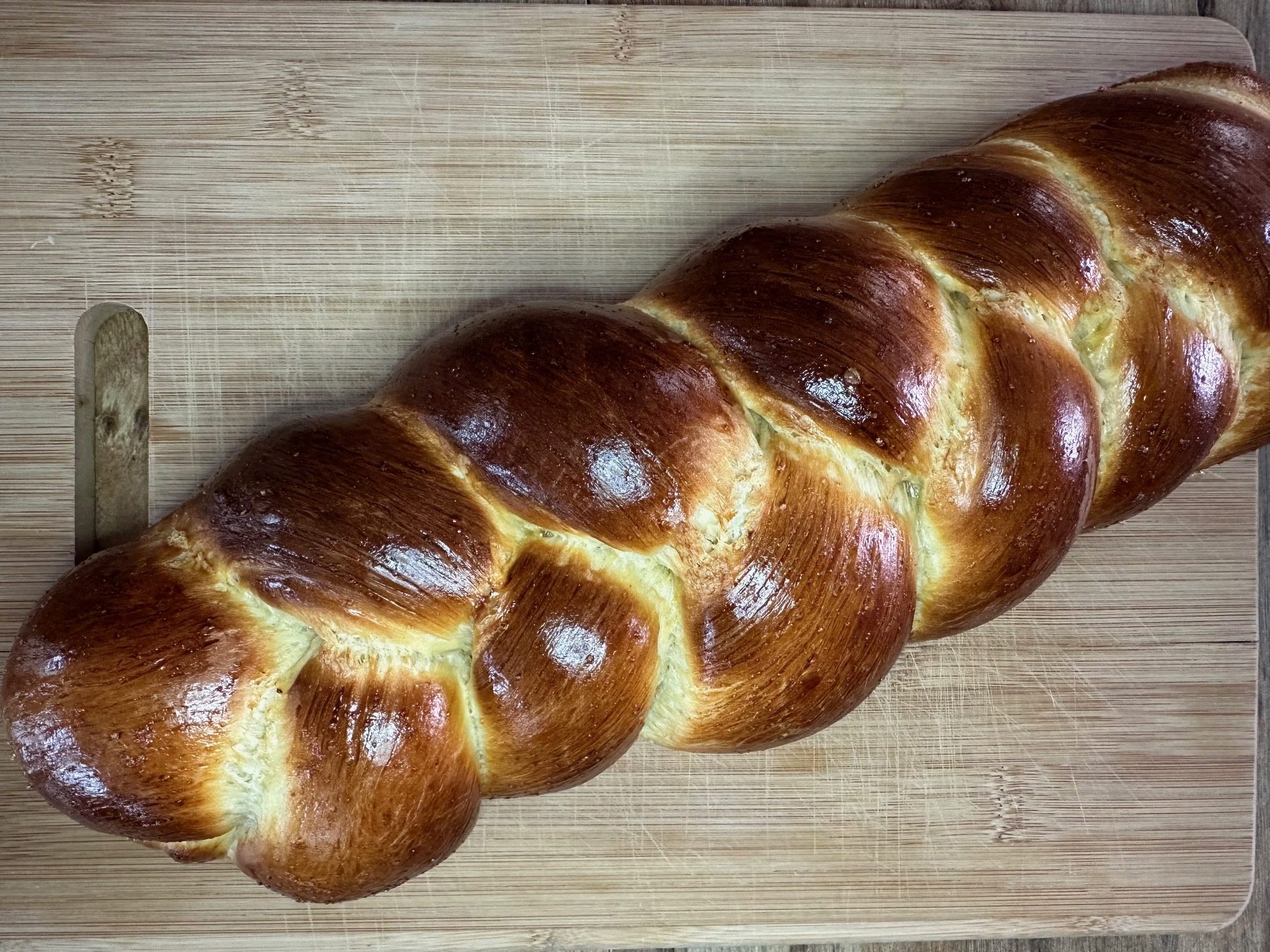
Celebrate Easter the Hungarian way with this traditional Húsvéti Kalács recipe—soft, slightly sweet braided bread that’s perfect for the holiday table. Made with simple ingredients like flour, eggs, milk, and butter, this festive bread is rich in history and flavor. Whether you serve it with ham and eggs or enjoy it as a sweet treat with jam, this homemade kalács will fill your kitchen with warmth and nostalgia. Learn the step-by-step process to make this beloved Easter bread, just like grandma used to!
Jump to RecipeAccording to Hungarian tradition, kalács is made for holidays, especially Easter. Originally, this bread was always round, shaped like a loaf. That’s because it was first prepared much like regular bread. Over time, richer ingredients were added, which gave it the soft, fluffy texture and distinct flavor we know today.
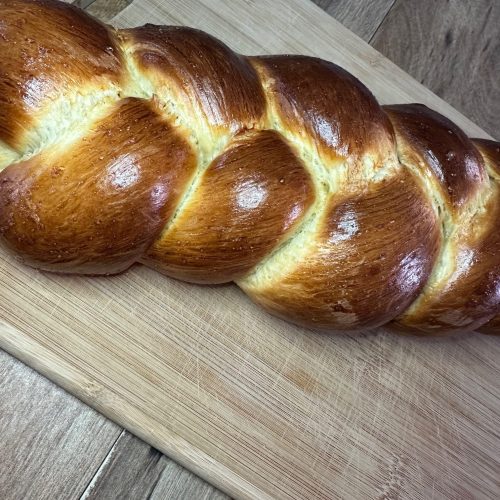
Nowadays, kalács comes in many shapes—round, long, twisted, braided, or even ring-shaped. In Hungary, ring-shaped sweet bread was traditionally baked for weddings. Like many other baked goods, kalács used to be made in a wood-fired oven during Christmas, Easter, and weddings. Braided kalács is especially popular at Easter in Hungary, while Italians typically prepare panettone for Christmas. In many countries, sweet breads like this are considered festive foods—folklorists even believe kalács was originally a sacrificial offering.
Easter Sweet Bread
Equipment
- 1 Sheet pan
- 1 Large mixing bowl
- 1 Mixer Kitchen Aid or any hand mixer will do
Ingredients
- 500 g all-purpose flour sifted
- 50 g butter
- 100 g powdered sugar
- 1 tsp dry yeast
- 250 ml milk
- 3 egg yolks
- Pinch of salt
- 1 whole egg for brushing
Instructions
- Sift the flour into a mixing bowl and make a well in the center.
- Add the powdered sugar and crumble in the yeast.
- Pour the lukewarm milk over it.
- Add the egg yolks and the previously melted (and slightly cooled) butter.
- Begin kneading and add the salt while working the dough.
- Cover the dough and let it rise for at least 20 minutes. It can be just 20, but I personally prefer to give it more time to develop better texture.
- Once risen, divide the dough into 6 equal parts.
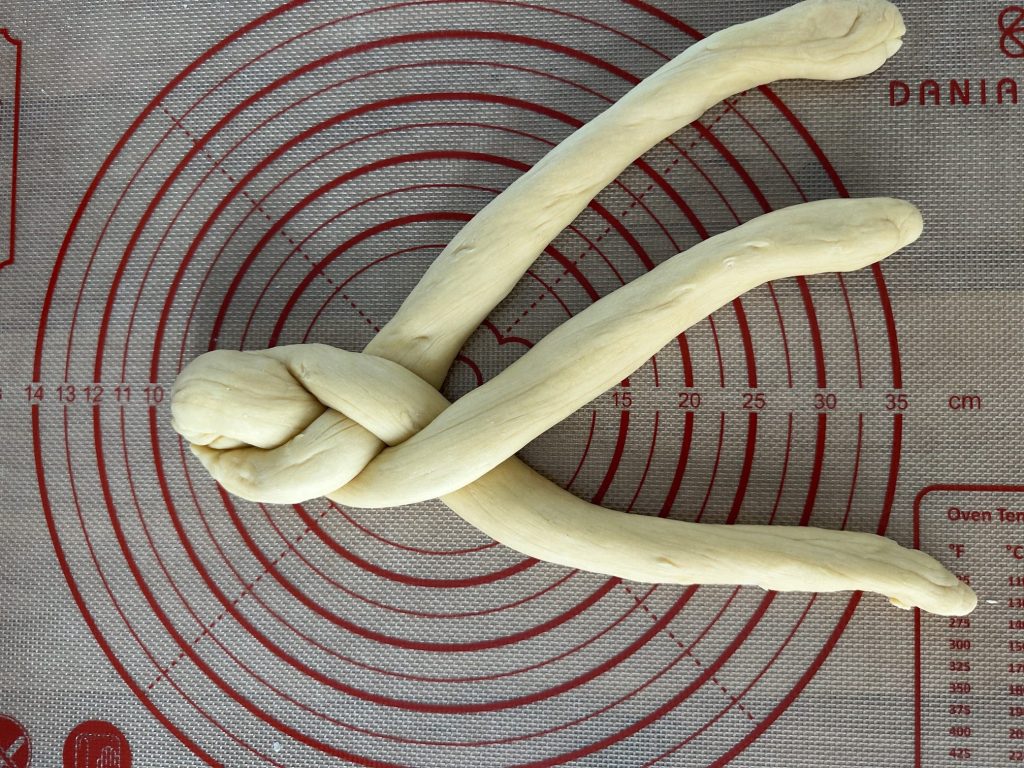
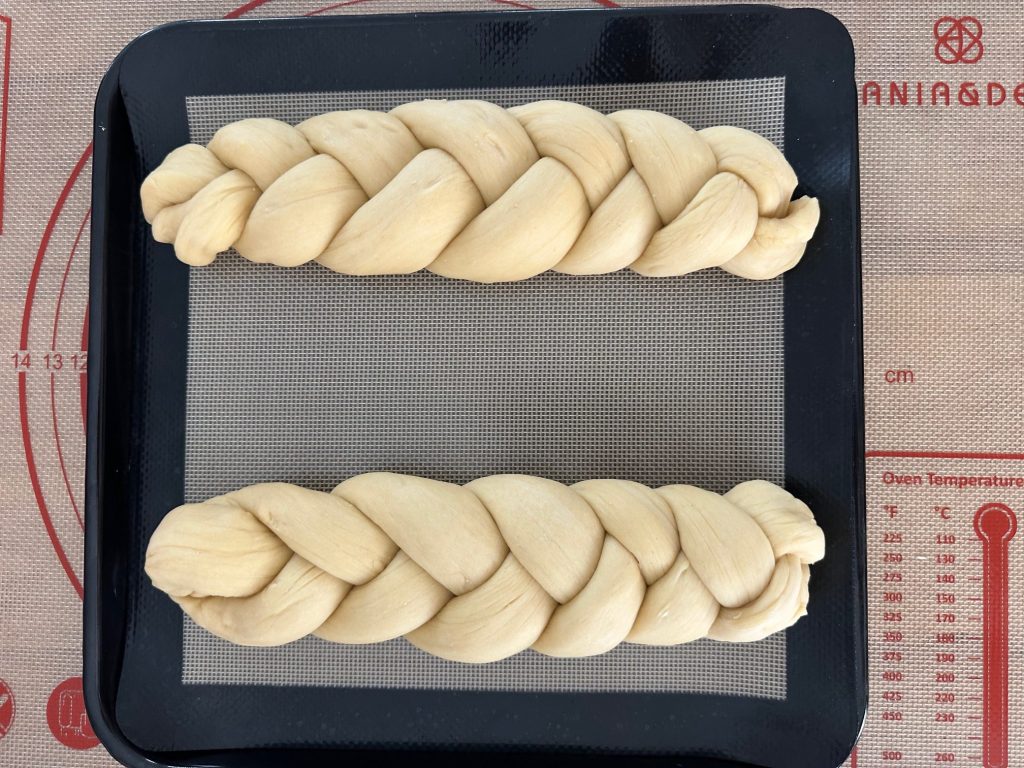
- Roll each portion into ropes and braid them in sets of three. With this method, you’ll get two loaves. If you want to make a six-strand braided loaf, you can—but this recipe will yield only one larger kalács in that case.
- Place the loaves on a baking tray lined with parchment paper and brush with the beaten egg.
- Let them rise again for at least 40 minutes.
- Optional: For a sweeter, brioche-like finish, brush again with egg and sprinkle with powdered sugar before baking.
- I often skip this step because we prefer to enjoy the kalács as a bread rather than a dessert.
- Bake at 200°C (392°F) for about 15–20 minutes.
- 15 minutes is usually enough, so be sure to check with a toothpick to avoid overbaking.